


LPP Logistics is expanding its fleet of warehouse robots more than sixfold and is building one of the largest autonomous fleets in the region
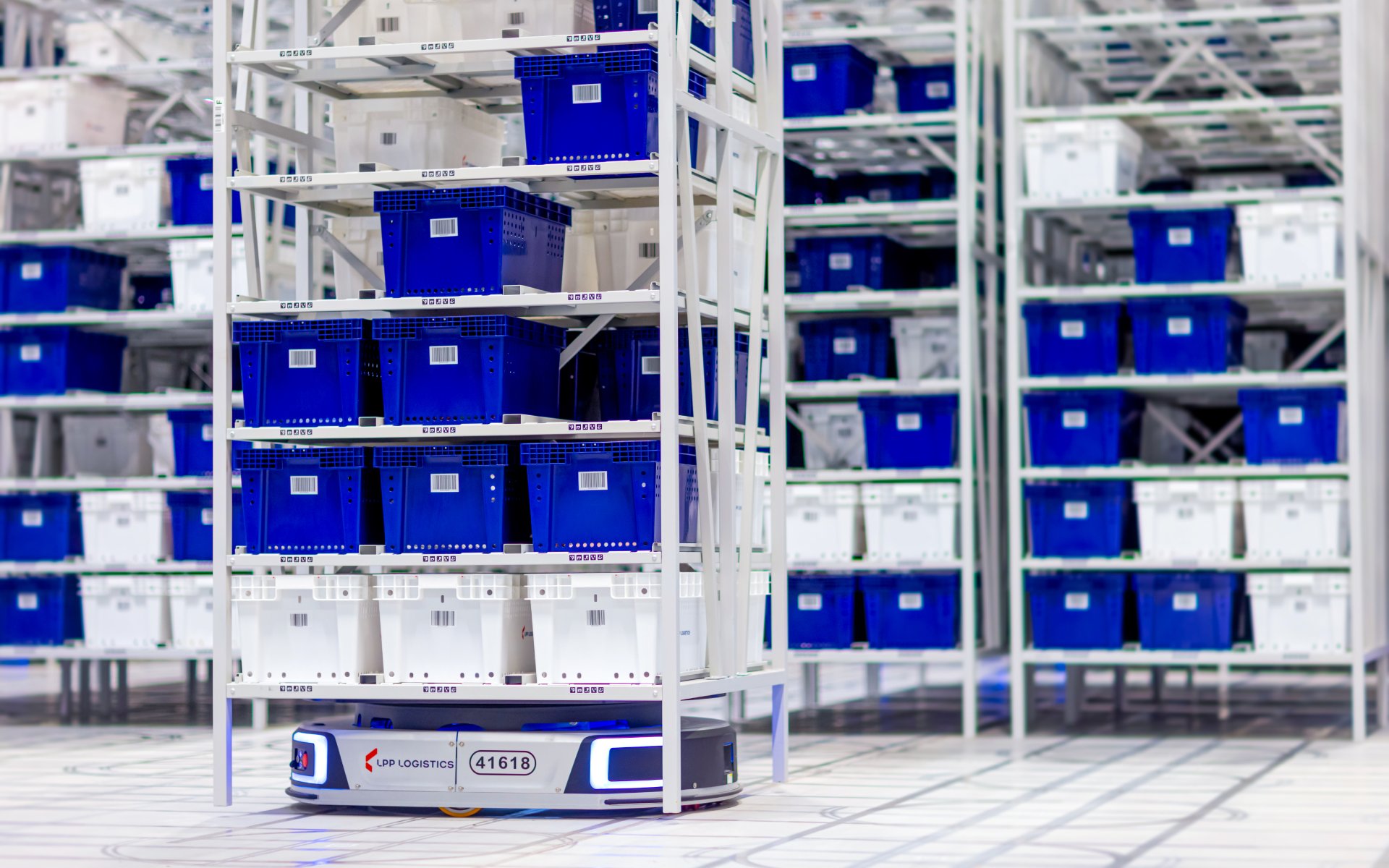
LPP Logistics, the logistics operator of the Polish clothing group LPP, has significantly increased the number of robots supporting the fulfilment of e-commerce orders. Over 3,500 autonomous units are now operating in fulfilment warehouses in Poland – near Bydgoszcz and in the Podkarpacie region – as well as in the recently launched facility in Romania. The expansion of automated infrastructure and the implementation of AI-based solutions have resulted in a marked increase in operational efficiency, better utilisation of warehouse space and enhanced scalability of the company’s logistics processes.
Between January and December 2025, LPP Logistics’ e-commerce warehouses processed 60 million orders. Such a scale of online sales requires a back-office infrastructure that ensures not only high efficiency but also cost predictability, operational flexibility and readiness for further growth. The answer to these challenges is an extensive robotic infrastructure operating in three warehouses located in Poland and Romania, supporting the e-commerce operations of brands in the LPP Group’s portfolio. Over the course of the past 12 months, the fleet of autonomous units supporting the picking and sorting of goods in these facilities has grown more than sixfold: from 555 to over 3,500 robots.
– Warehouse robotisation is now one of the key pillars of LPP Logistics’ development strategy. We are investing in solutions that allow us to continue scaling our e-commerce operations dynamically yet flexibly across 35 markets. I am convinced that one of the largest and fastest-growing robotic fleets in the region gives us a significant operational advantage. Thanks to it, we can handle the growing volume of orders without proportionally increasing warehouse space, whilst at the same time responding even better to the needs of our e-commerce customers – says Sebastian Sołtys, CEO of LPP Logistics.
Integrated robotic infrastructure
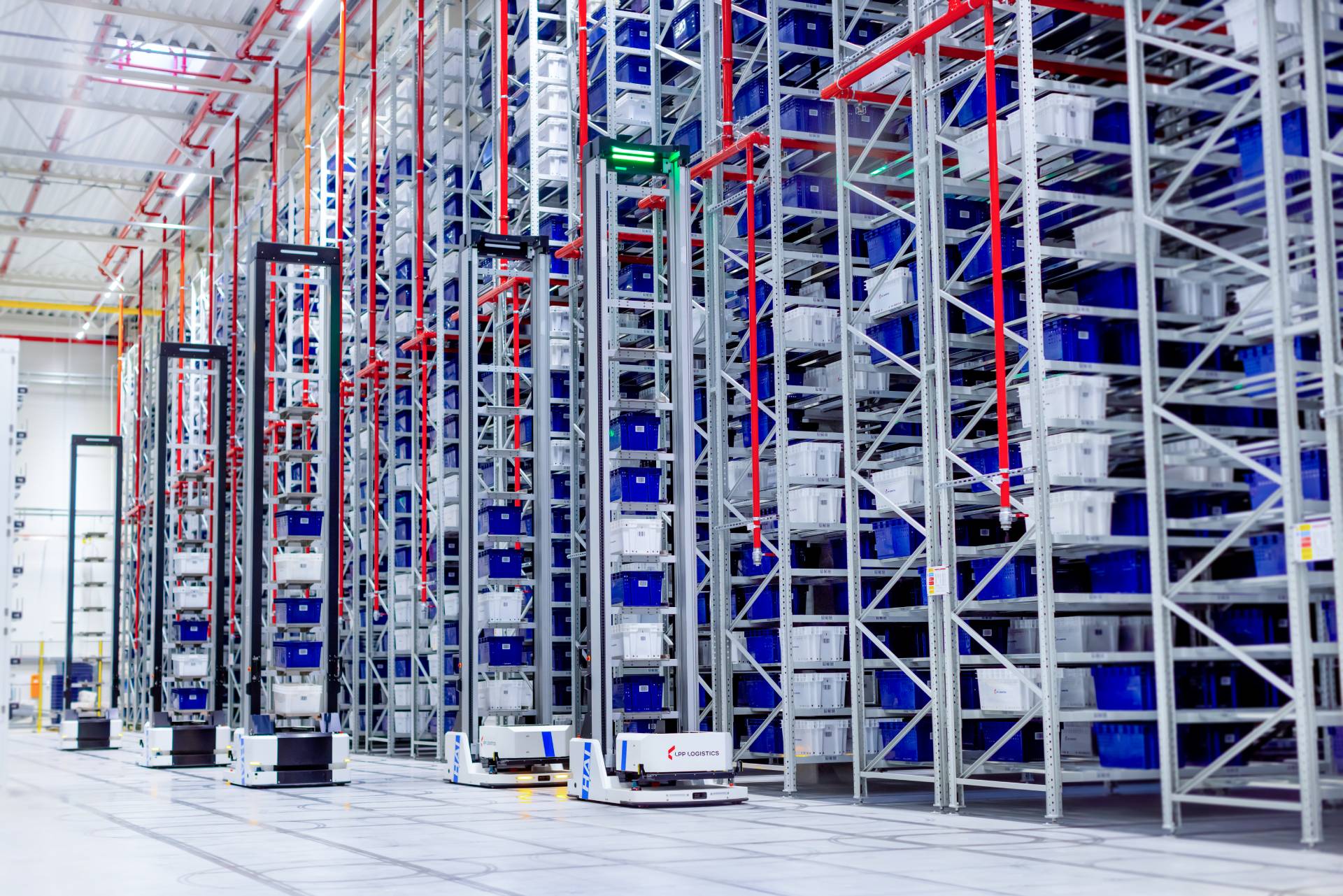
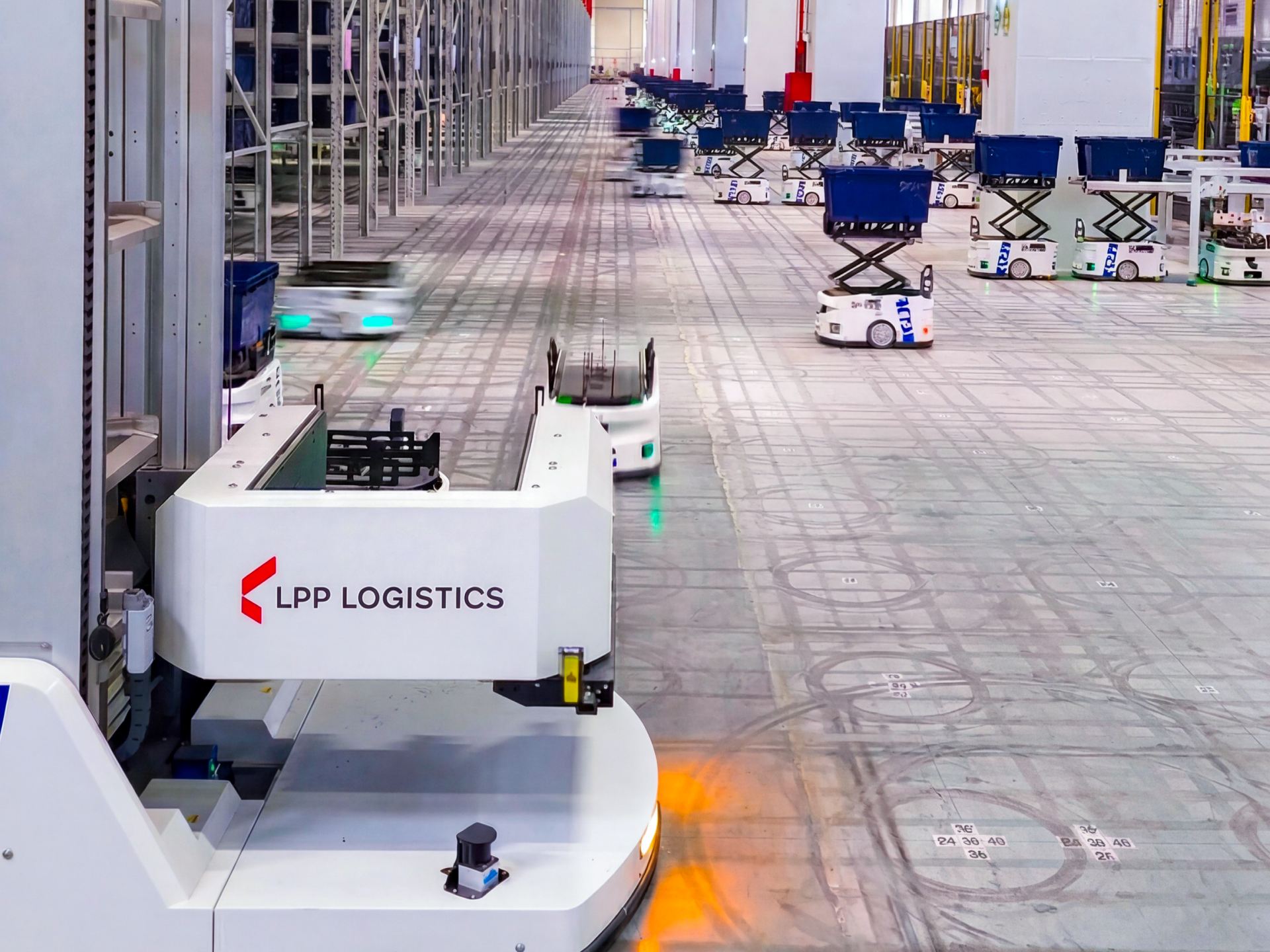
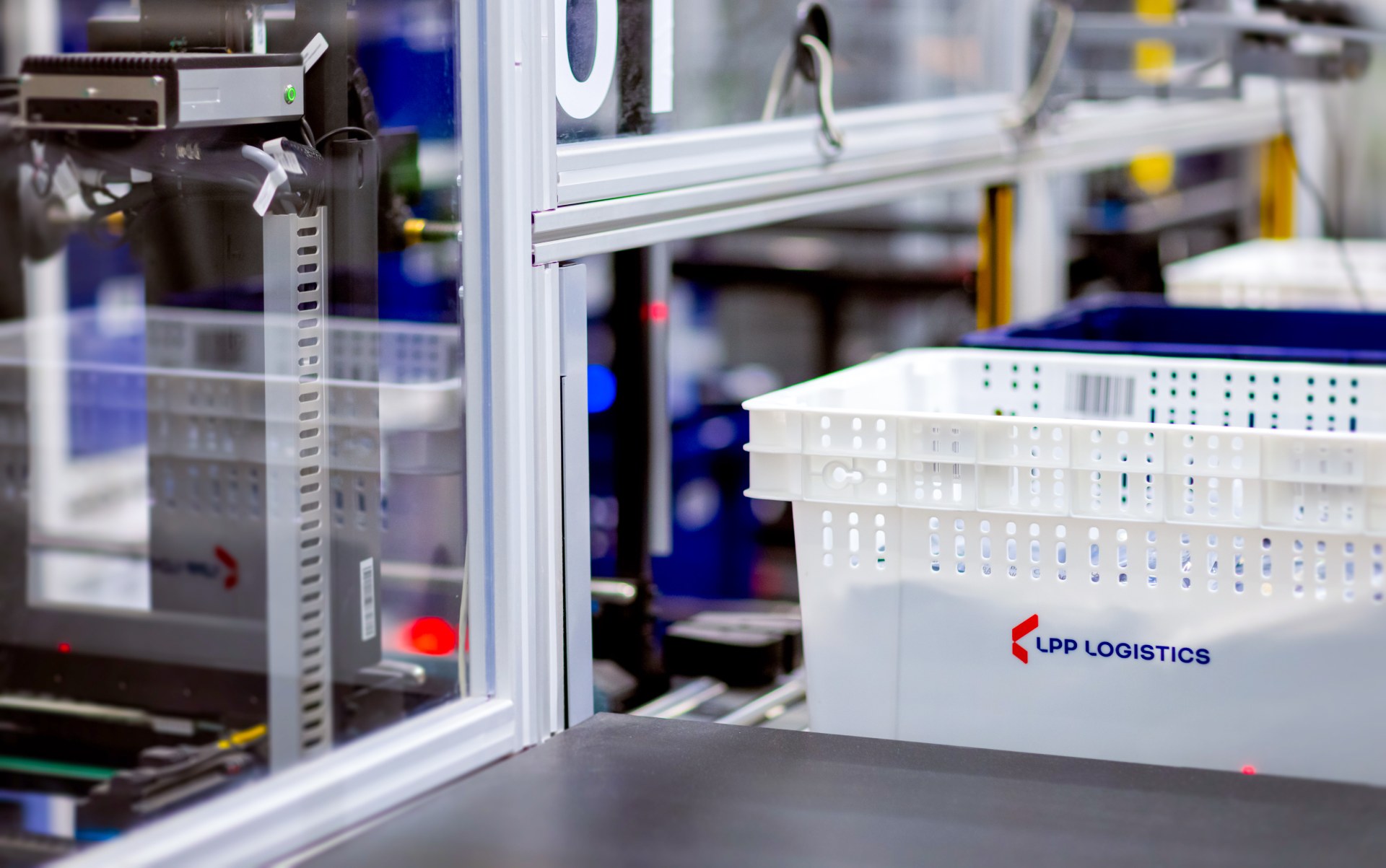
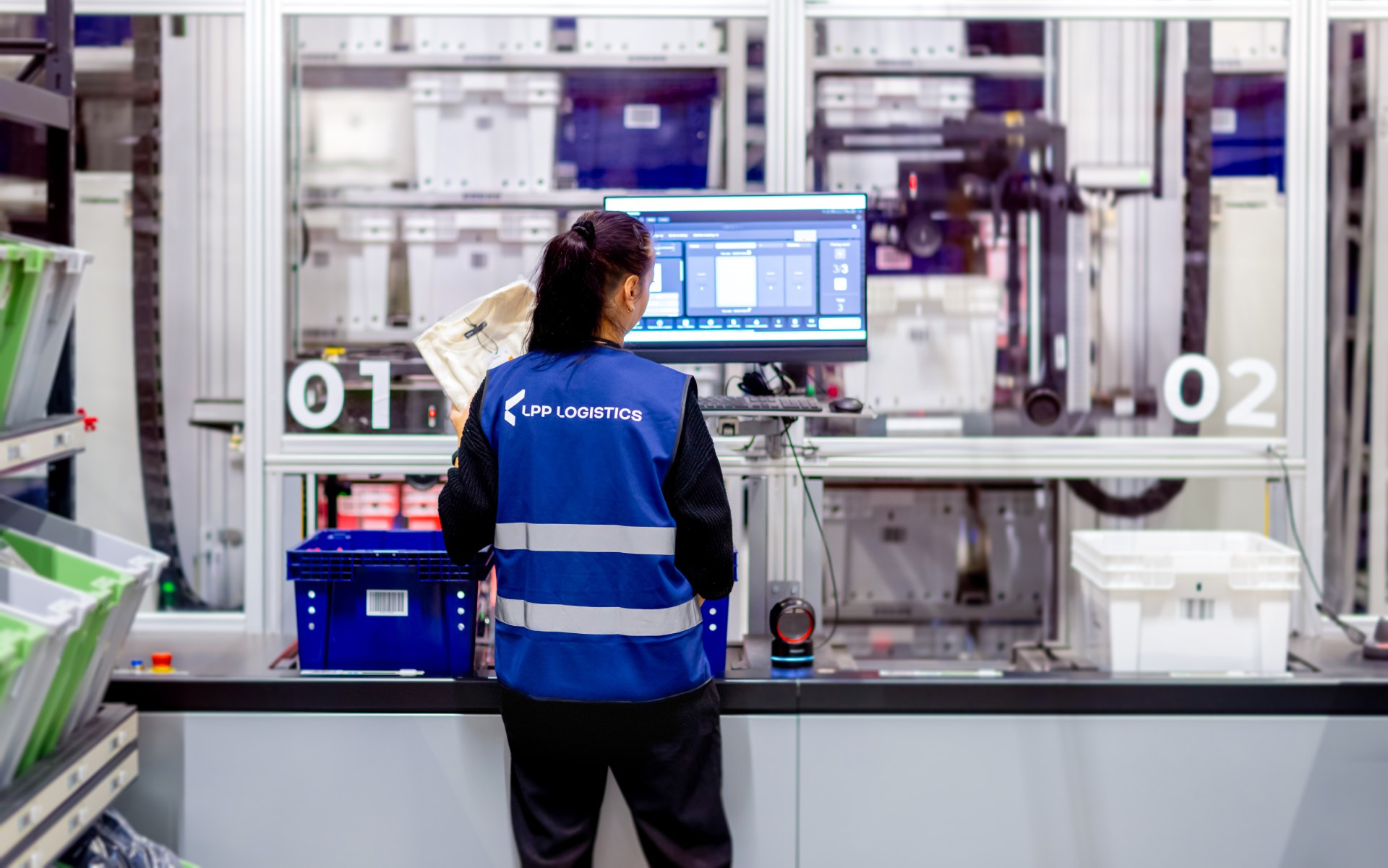
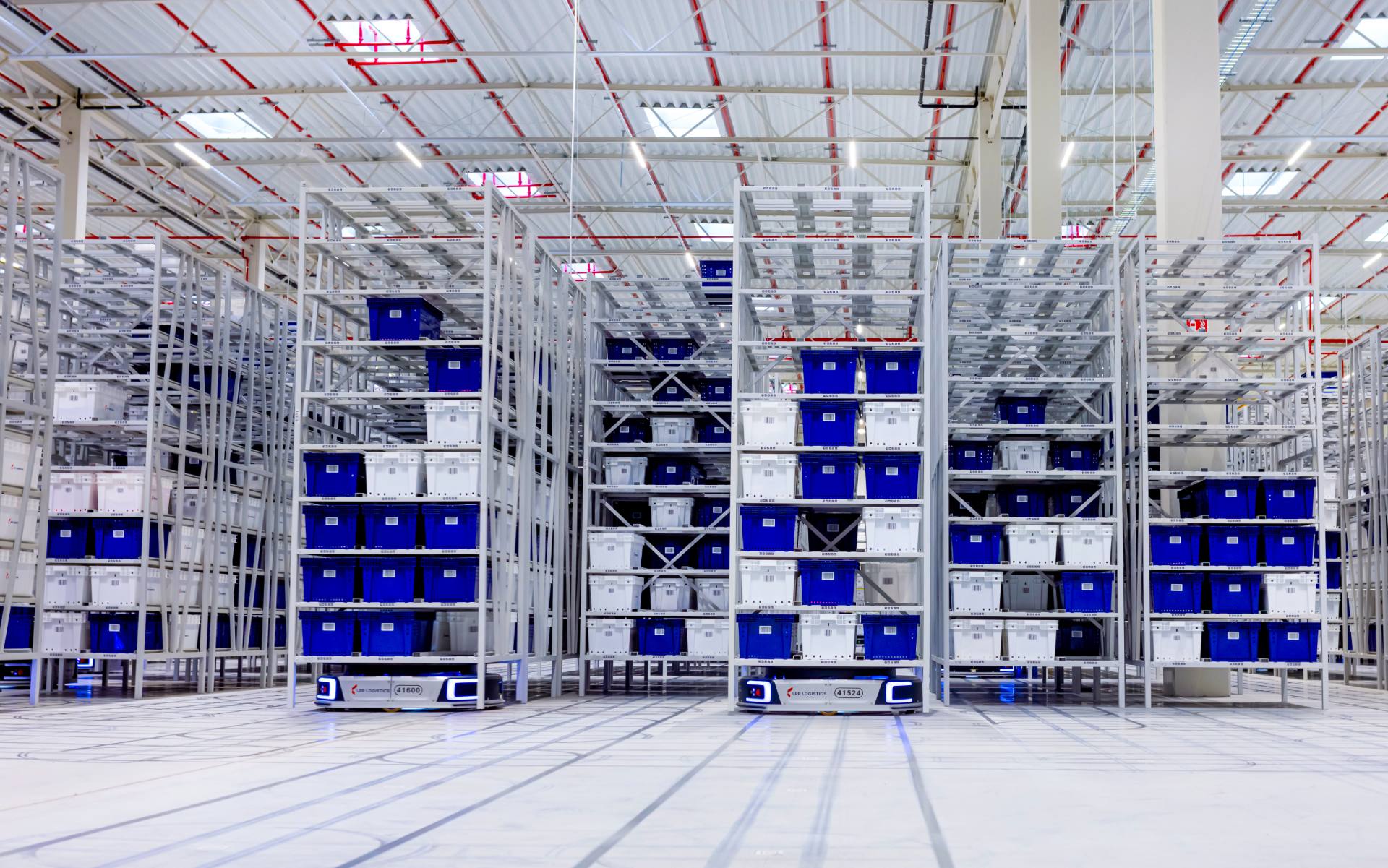
The robotic infrastructure implemented in LPP Logistics’ warehouses is based on close cooperation between several types of robots carrying out tasks within a single, integrated system. It comprises robots responsible for transporting, picking up and placing standardised containers of goods on high-bay racks, autonomous units delivering designated containers to picking stations, and robots sorting individual items of goods for specific orders.
The key principle behind this solution is the ‘tote-to-person’ model, in which goods are automatically delivered to the worker, eliminating the need to move around the warehouse. In practice, the operator remains at their workstation, whilst the system – using robots – delivers precisely the products required to fulfil the order, ensuring the smooth running and continuity of the entire logistics process.
– The implementation of robotisation has transformed the way work is organised in warehouses. Operators no longer have to walk several kilometres along picking routes or enter high-bay storage areas – they work at ergonomic picking stations to which goods are delivered by robots. This solution reduces physical strain, improves workplace safety and allows for a clear separation of operational zones from storage zones. Automation has taken over the most repetitive tasks, which has led to increased productivity whilst improving working conditions for the entire team – says Michał Moteka, Senior Logistics Process and Automation Development Manager at LPP Logistics.
A leap in efficiency in key processes
Automation has delivered clear benefits in the area of high-bay warehouses. Whilst the traditional, manual model allows for the storage of around 65 items per square metre, automated systems enable the storage of up to 250 items per square metre – over four times as many. Robots also ensure stable, repeatable performance and full control over the location of goods, minimising the risk of errors associated with placing products in the wrong locations.
A significant increase in efficiency is also evident in subsequent stages of warehouse operations. Thanks to robots and modern automation, the picking process can be carried out up to 4–5 times faster. The same applies to sorting, where operational efficiency is up to three times higher than in a manual system.
Implementation in a few months
The automation projects were implemented in stages – from defining business objectives, such as cost optimisation and maximising space utilisation, through market analysis and the selection of proven technologies, to adapting them to the specific nature of LPP’s product range. Standard system components were modified, for example by adjusting the size of the containers to the specific nature of the clothing, which allowed for even better utilisation of the available warehouse space.
It was particularly important to plan a smooth transition from manual to robotic operations and to carry out the installation in phases – successive areas were put into operational use immediately after assembly was completed, even whilst work was still ongoing in other zones.
– One of the key distinguishing features of this project is the speed of implementation. Traditional logistics automation roll-outs take on average between one and one and a half years – ours took just over six months, and that was across several sites simultaneously. Maintaining operational continuity was our priority. Each phase was thoroughly tested before going live, which allowed us to minimise operational risk. Today, the infrastructure remains under constant monitoring, and we are continuously optimising its performance together with our technology partners – emphasises Piotr Pawlak, Logistics Process Robotisation Lead at LPP Logistics.
The implementation of robotic projects is the result of close collaboration between LPP Logistics teams responsible for process development and logistics automation, and IT specialists from Silky Coders. The project required precise coordination of dozens of specialists working simultaneously across several countries.
Further expansion of the robotic infrastructure
In response to the LPP Group’s development plans and the continued growth in the scale of its operations, the company intends to continue expanding its robotic infrastructure. In the coming months, the fleet will be expanded with further autonomous units, which will further strengthen LPP Logistics’ operational capacity.
_________________________________
LPP Logistics is a logistics operator managing LPP Group’s procurement and distribution network comprising distribution centres and Fulfillment Centres with a total area of over 600,000 square metres. It operates on three continents providing a full range of logistics services – from sea, rail and road freight, through the operation of its own customs agency, to advanced warehouse logistics using modern systems such as WMS, warehouse automation and Warehouse Intelligence solutions based on artificial intelligence algorithms.
LPP is a Polish family business and one of the fastest growing clothing companies in the region of Central Europe. For 30 years, it has been successfully designing and selling the collections and accessories in Poland and abroad. LPP manages five fashion brands: Reserved, Cropp, House, Mohito, and Sinsay, whose offer is available today in stationary and online stores in 46 markets worldwide. The company has a chain of over 3,400 stores with the total area of over 2.8 million m2 and distributes the products to 3 continents every year. LPP also plays an important role as it provides employment to over 54 thousand people in its offices and sales structures in Poland, Europe, Asia, and Africa. The company is listed on the Warsaw Stock Exchange in the WIG20 index and belongs to the prestigious MSCI Poland index.