


LPP tests a circular model in the new Reserved upcycled by INTU collection
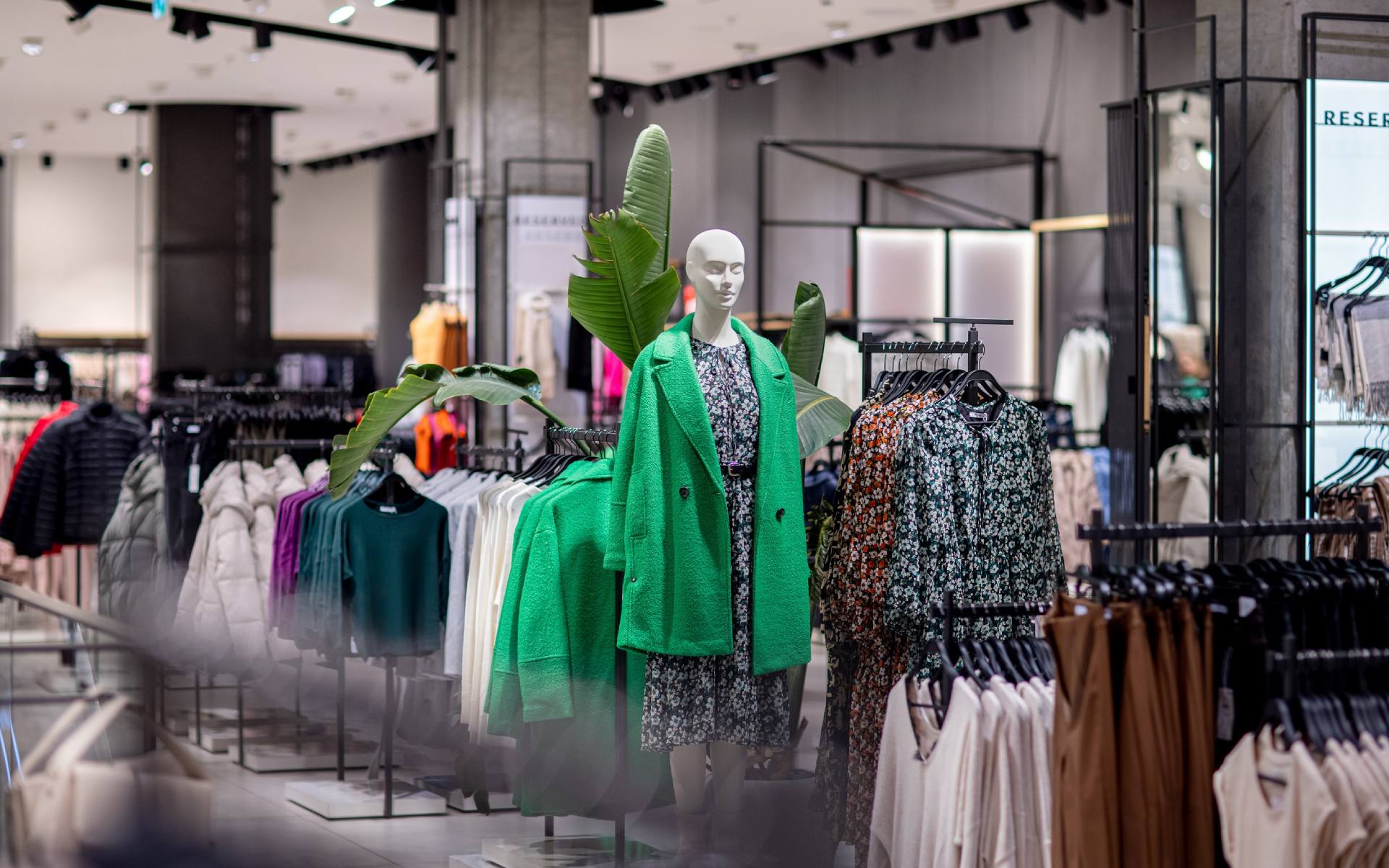
Reserved, the leading brand in LPP’s portfolio, is introducing an upcycled range developed in partnership with INTU, repurposing faulty inventory from collections across the Group’s brands. Beyond its fashion aspect, the initiative serves as a hands-on assessment of how second-cycle processes can be implemented on a scale within a major fashion group.
For years, the LPP Group has prioritised effective material management and production efficiency, aiming to minimise resource use from the earliest design phase. Central to this approach is accurately aligning supply with actual customer demand. These efforts are enabled by advanced solutions created by LPP’s in-house IT experts, who leverage data science, machine learning and artificial intelligence to predict demand for specific collections. During the next stage, the company runs regular sales campaigns. Items that remain unsold through conventional channels are occasionally donated to charitable organisations, while all LPP stores operate used clothing take-back programmes. The Reserved upcycled collection represents the next step in this circular system, turning defective stock into a viable resource for new products.
– The Reserved collection, developed together with INTU, represents a practical effort to address products that, for various reasons, cannot be offered through standard retail channels. We treat this project as part of a broader approach to responsible and effective materials management, while also seeking alternative pathways for repurposing defective products alongside the practices LPP has relied on for years – said Ewa Janczukowicz-Cichosz, Sustainability Expert at LPP.
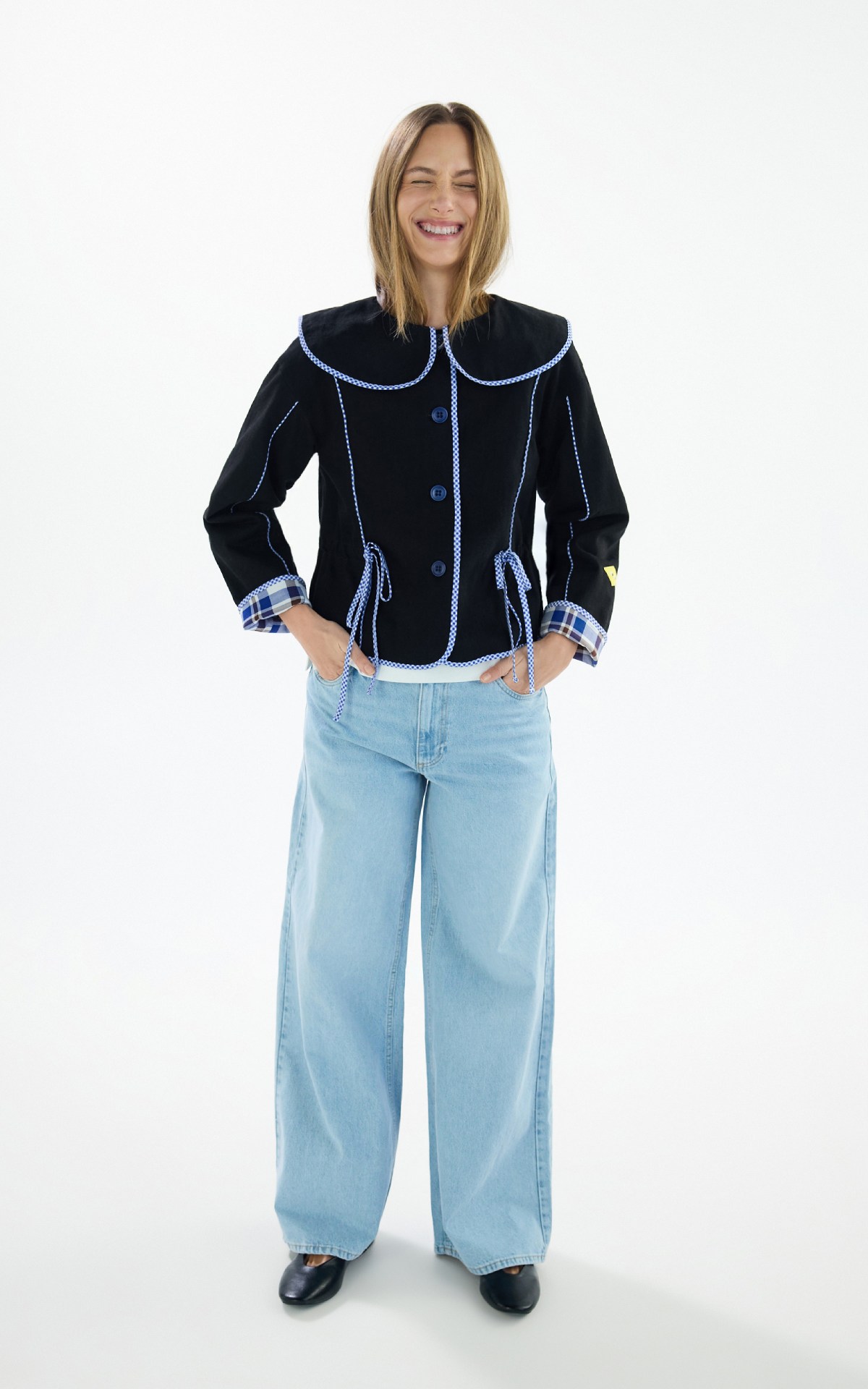

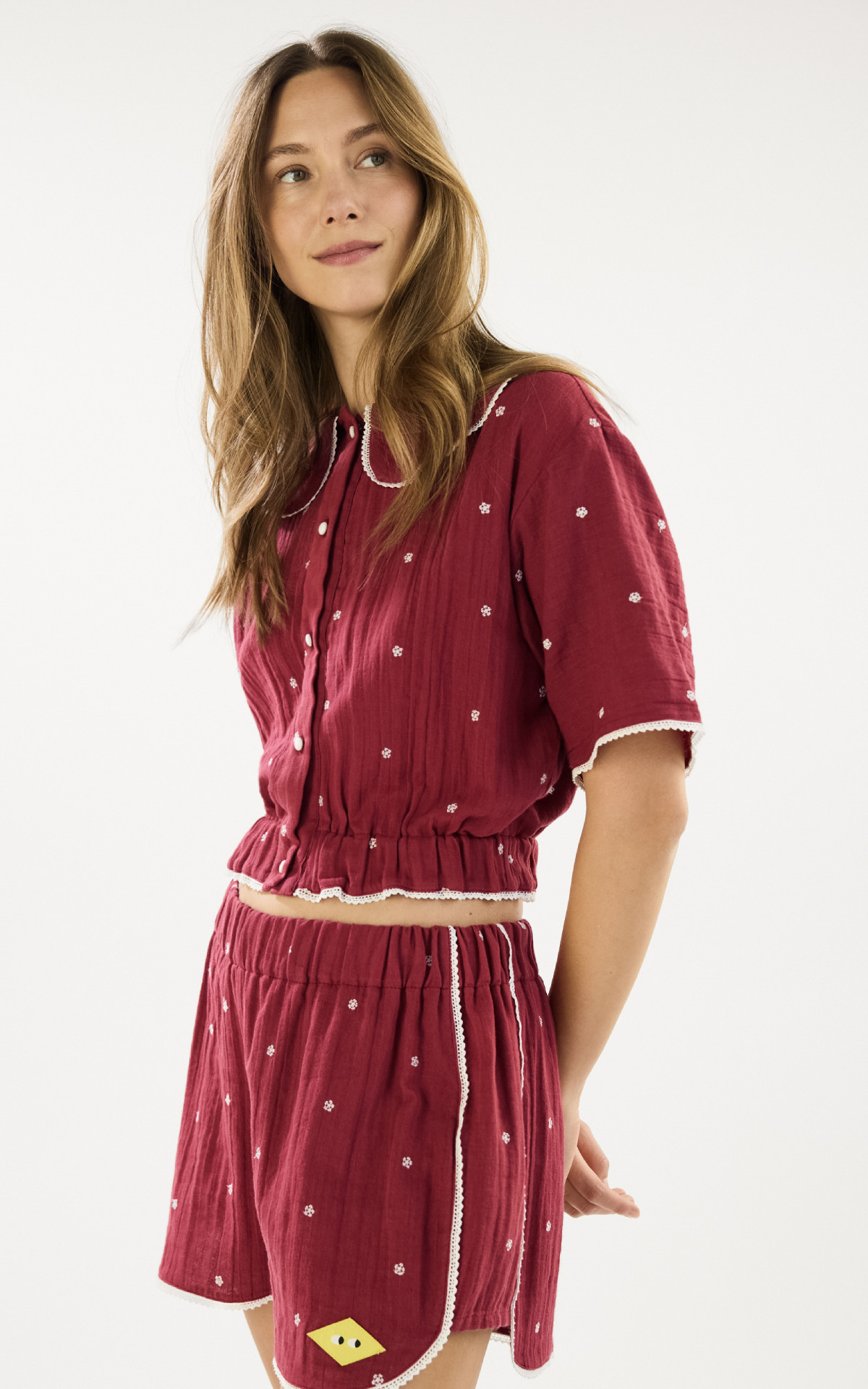
The creation of the Reserved upcycled by INTU collection departed substantially from the company’s conventional design process. Rather than beginning with a ready-made design concept, the process was driven by the materials available, sourced from clothing with production defects across the Group’s brands, which dictated numerous construction and technical choices. The aim was to ensure repeatability and high quality, while preserving operational efficiency and price levels expected by the customers. The project demanded close cooperation between the designers, technologists and production teams, working together to maintain consistency across the models and align them with the retail standards. LPP’s technical specialists played a central role, overseeing the cost-efficient scaling of production so that the distinctive upcycled designs can be produced in runs of several hundred pieces. A key decision was to manufacture the collection using the domestic sewing facilities in Łódź, providing greater precision and closer quality control throughout each stage of production. The Reserved team supervises alignment between the collection and the brand’s character, while also converting the design principles into operational solutions. Importantly, leftover fabric scraps generated during production are handed over to Wtórpol, a company specialising in the processing of used clothing. This enables the resource loop to be fully closed.
– Developing this collection called for a fundamentally different approach to the creative process. Within upcycling, the limitations imposed by a particular material batch or the background of a given model are not obstacles; instead, they spark the greatest creativity and open up new, unexpected directions. Our shared objective was to demonstrate that circular fashion can look exactly like the fashion we know from everyday shopping. This project proves that, although upcycling requires breaking away from familiar routines, the final effect is modern, elegant and truly inspiring – said Veronika Czarnocka, CEO of INTU and the designer behind the collection developed with Reserved.
The Reserved upcycled by INTU collection will be available online from 17 February 2026, comprising 10 unique pieces offered in standard sizes. Among them are jackets finished with bold edging and oversized collars, a lightweight muslin set, a quilted gilet and a selection of accessories. Overall, the line is characterised by bold silhouettes, vibrant colours and prints, along with a strong emphasis on contrast.
The project is another step in LPP’s ongoing work to repurpose and manage textile waste. Since 2022, the company has participated in research partnerships focused on developing textile-to-textile technologies that enable textiles to be recycled into new clothing. For eight years, the company has operated in-store take-back programmes for used clothing, with the goal of keeping textiles in circulation through upcycling, downcycling and recycling. At the same time, the company maintains an ongoing dialogue with customers through its “Dbaj o ubranie” educational initiative (www.dbajoubranie.pl), encouraging mindful and responsible use of clothing. The programme educates consumers on how to prolong the lifespan of clothing, make better use of worn wardrobe items and how to repair garments. It highlights the need to change consumer habits in the fashion sector and, through its brands, including Reserved, provides education on clothing care (www.reserved.com/pl/pl/product-care). These measures are supported by additional material reuse initiatives, including the upcycling of store window display components.
_________________________________
LPP is a Polish, family-owned company, one of the fastest growing in the fashion industry in the Central European region. For 30 years now, it has successfully designed and sold its collections and accessories, both at home and abroad. LPP manages 5 fashion brands: Reserved, Cropp, House, Mohito and Sinsay, with their product ranges now available for sale in stores and online in 46 markets worldwide. The company has more than 3400 stores, with a total area in excess of 2.8 million m2, distributing products across three continents every year. LPP also has a vital role in creating jobs for more than 54,000 people in offices and retail structures in Poland and elsewhere in Europe, Asia and Africa. The company is listed on the Warsaw Stock Exchange under the WIG20 index and belongs to the prestigious MSCI Poland Index.