


LPP joins Textile Voice – a joint industry initiative in response to upcoming regulatory changes
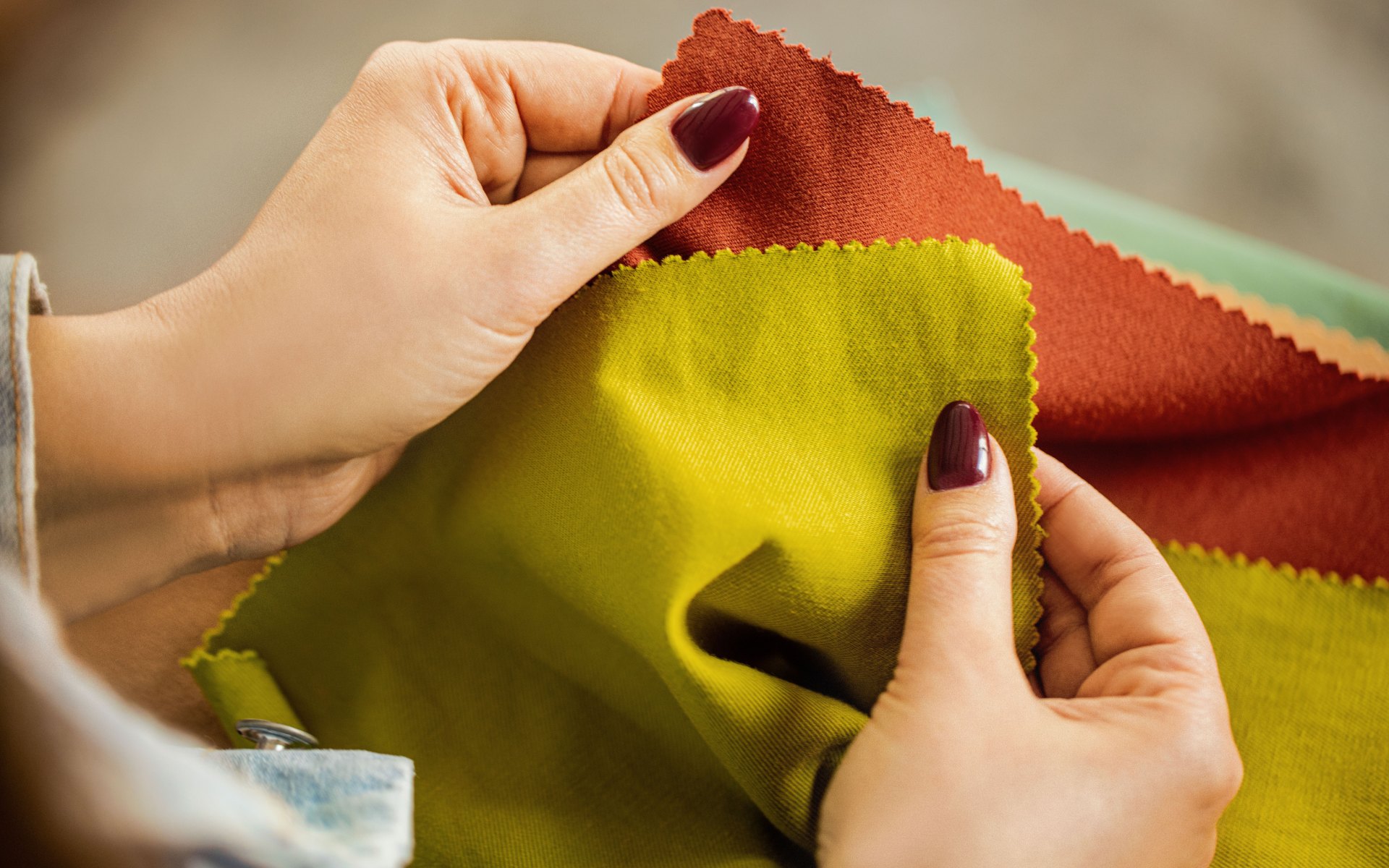
LPP joins Textile Voice – a newly-established employers’ association for the textile industry, designed to respond to upcoming transformative regulatory changes across the sector. The most significant of these is Poland’s planned implementation of the Extended Producer Responsibility (EPR) system, a measure poised to fundamentally redefine how the sector functions in the years ahead. It is the first initiative of its kind to unite the industry in such a coordinated effort to actively support the transition towards a circular economy. Textile Voice is intended to serve as a platform for dialogue, collaboration and the active creation of circular business models, without which the industry’s shift towards a circular economy will remain an aspiration rather than a reality.
The launch of Textile Voice marks a pivotal moment in the transformation of the textile sector, as the industry prepares for sweeping regulatory changes in the years ahead. These changes will affect the industry’s core areas of operation, from product design and business models to the management of textiles at the end of their life cycle. This is a time that calls for a credible and representative platform for industry dialogue, capable of shaping effective systemic solutions that can be successfully implemented in practice. This approach is intended to support environmentally responsible, economically justified and operationally feasible changes that drive innovation, stimulate investment and support the stable growth of businesses operating within Poland’s textile sector.
– The systemic regulatory changes will affect the entire sector, including both large and smaller businesses. That is why we have chosen to join forces, setting aside divisions and differences in scale. Cooperation within Textile Voice offers a genuine opportunity to develop solutions that are operationally viable, beneficial for consumers and supportive of the sector’s growth in Poland – says Ewa Janczukowicz-Cichosz, sustainability expert at LPP and President of Textile Voice..
Today, Poland’s fashion and textile sector is confronted with a convergence of challenges: increasing operating costs, intensifying global competition and a fast-evolving regulatory environments. At the heart of this transformation is the Extended Producer Responsibility (EPR) system for textiles, the development of which has been announced by the Polish Ministry of Climate and Environment as it launches the pre-consultation process.
Under the proposed system, manufacturers and retailers will assume greater responsibility for the entire life cycle of textile products, including their management after consumer use has ended. This requires the development of new models for cooperation between businesses, public authorities, and the processing and recycling sectors.
Textile Voice was founded as a space where the industry can build shared positions, exchange market insights and play an active role in shaping regulatory solutions. The association is intended to unite companies with different business profiles, from manufacturers and importers to retailers operating both in traditional commerce and the e-commerce sector.
– We need a system that serves not merely as another financial burden, but as a meaningful catalyst for a circular economy, investment and the creation of new jobs. Achieving this will require dialogue and a shared sense of responsibility across all market stakeholders – says Dr Agnieszka Oleksyn-Wajda, Director General of Textile Voice..
The founding members include Arket, CCC, COS, Cropp, eobuwie.pl, HalfPrice, H&M, H&M Home, House, La Mania, La Mania Home, LPP, Modivo, Mohito, Reserved, Sellpy, Sinsay, Tatuum and Zalando. The initiative has also gained the support of organisations with social and operational expertise, including the Polish Red Cross.
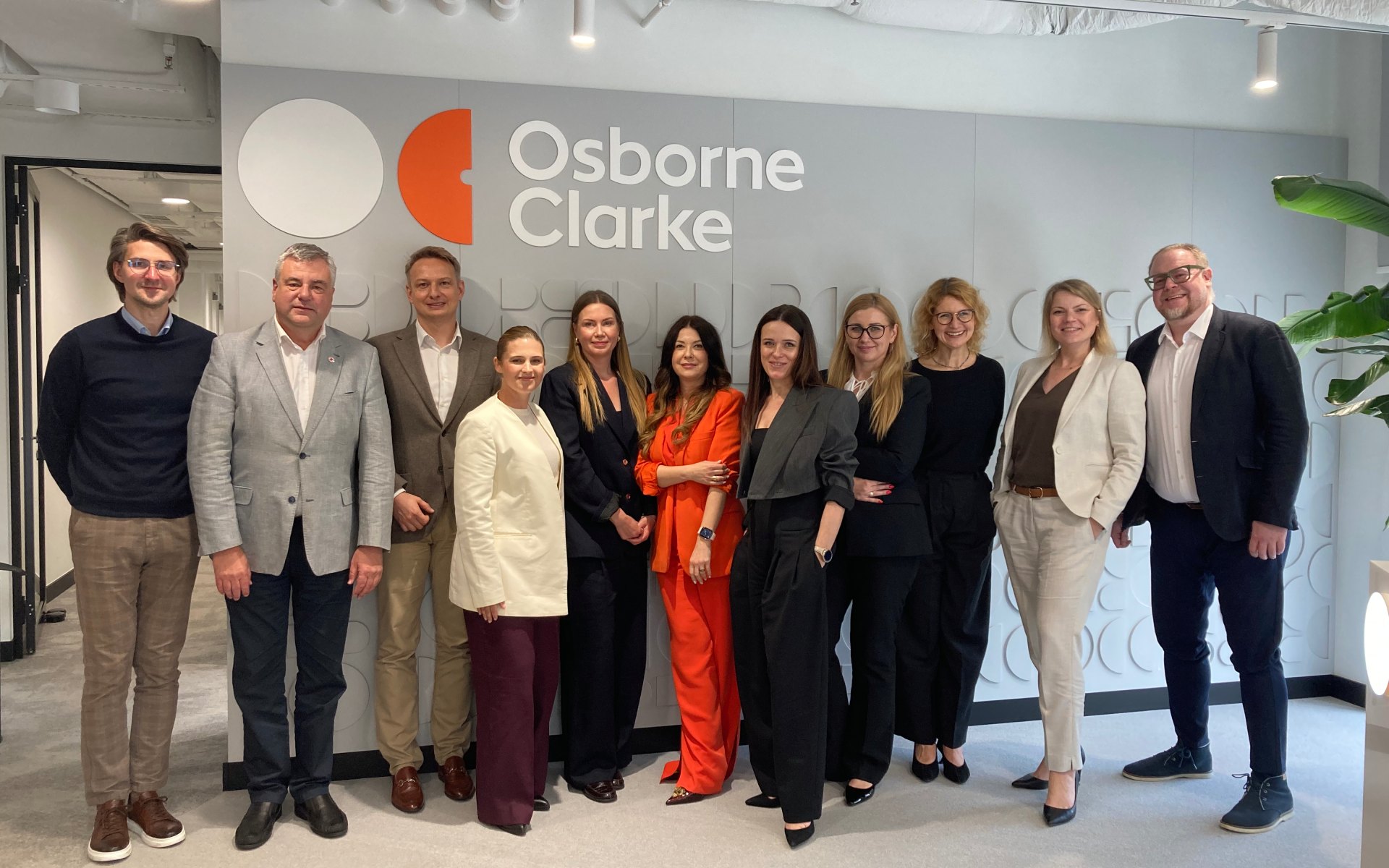
– As a sector, we form part of the broader European industrial strategy currently underway, while Poland still has no consolidated voice representing the sector. The shift in production and consumption models towards a circular economy is now inevitable. That is precisely why a shared initiative is so essential, one that can help steer this transformation while removing the barriers that stand in the way of a circular economy and ensuring that the European sector remains globally competitive – says Ewa Janczukowicz-Cichosz..
The fashion sector represents a significant part of the Polish economy, while Polish brands, including LPP, are establishing an ever-stronger presence across the European market. The way the future EPR system is ultimately structured will directly affect business competitiveness, investment dynamics and the development of new sectors, such as repair, reuse and textile recycling.
– The sector should not be viewed solely as a consumer-facing sector, but also as a major employer, taxpayer and player in the European market, whose future growth will depend on the quality of regulation. As global supply chains become increasingly unstable, secondary raw materials recovered from textiles are emerging as an important element in the wider debate on the resilience of European industry, making investment in recycling technologies relevant well beyond the textile sector alone. Without meaningful investments in technologies that support the more efficient use of secondary raw materials, deeper market integration and the removal of legislative barriers, this transformation simply will not happen – nor will it enhance the European economy’s resilience in the face of global competition – says the President of Textile Voice..
The employers’ association believes that Poland is now facing a real opportunity to establish one of the most advanced EPR systems for textiles in Central and Eastern Europe. Its success, however, depends on embracing a development-oriented vision rather than one based solely on fiscal considerations. With this in mind, LPP and the association’s other members have declared their readiness to work closely with public authorities and to take an active role in shaping solutions that are durable, predictable and workable in practice, while also becoming a catalyst for the international competitiveness of Poland’s textile industry.
_________________________________
LPP is a Polish, family-owned company, one of the fastest growing in the fashion industry in the Central European region. For 30 years now, it has successfully designed and sold its collections and accessories at home and abroad. LPP manages 5 fashion brands: Reserved, Cropp, House, Mohito and Sinsay, with their product ranges now available for sale in stores and online in 46 markets worldwide. The company has more than 3,700 stores, with a total area in excess of 3 million m2, distributing products to 3 continents every year. LPP also plays an important role in creating jobs for nearly 63,000 people in offices and sales structures in Poland, elsewhere in Europe, Asia, and Africa. The company is listed on the Warsaw Stock Exchange under the WIG20 index and belongs to the prestigious MSCI Poland Index.