


Packaging
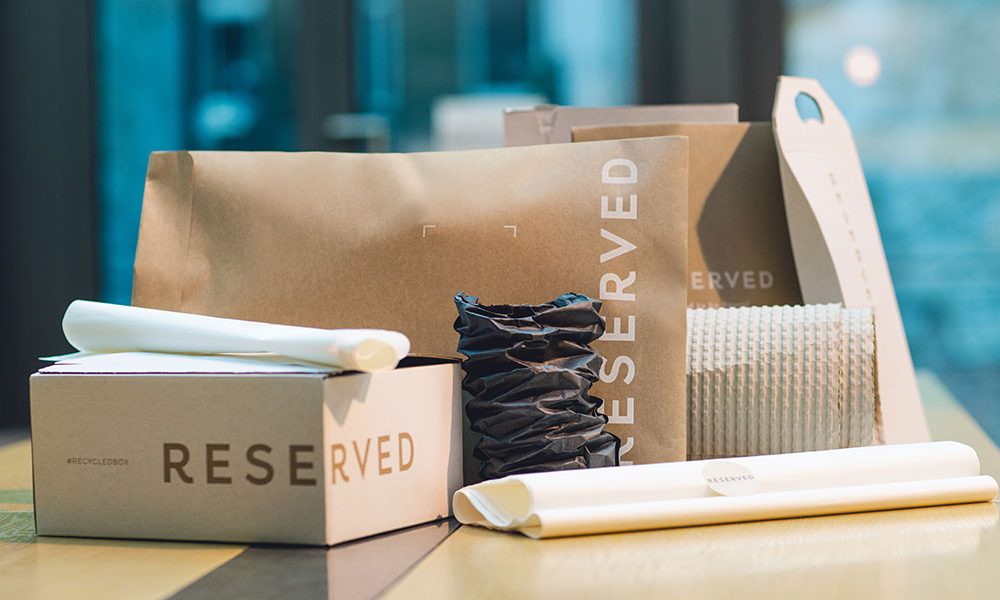
We have made major changes to optimize the amount of packaging waste generated in the process of garment packing, repacking, and shipment.
Monitoring the use of raw materials
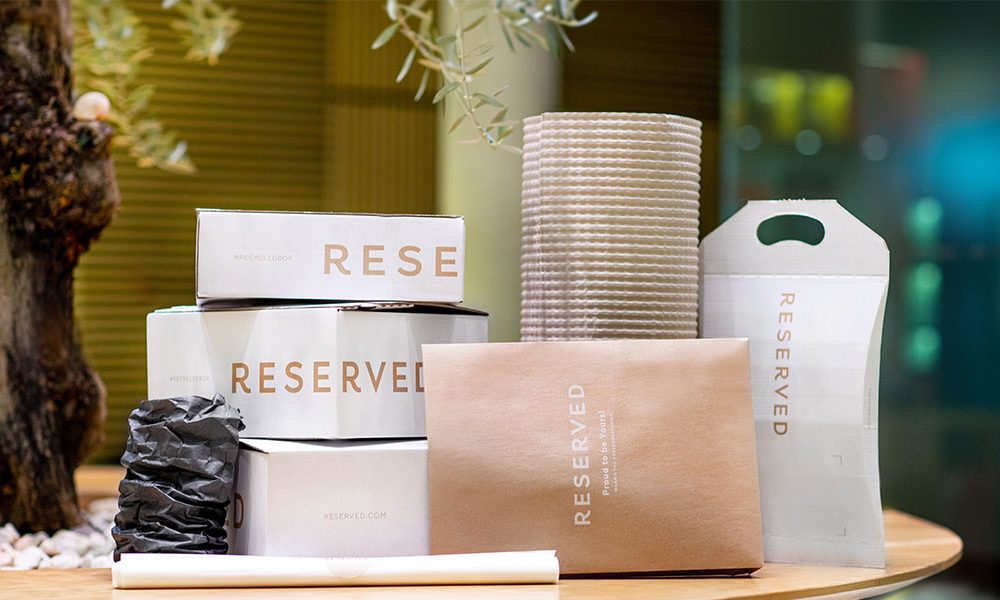
Since 2017, we have been gradually revising our packaging policy. Single-use plastic is being progressively phased out and replaced with alternative solutions, such as cardboard, recycled paper or recycled plastics, wherever technical, logistical and quality requirements allow.
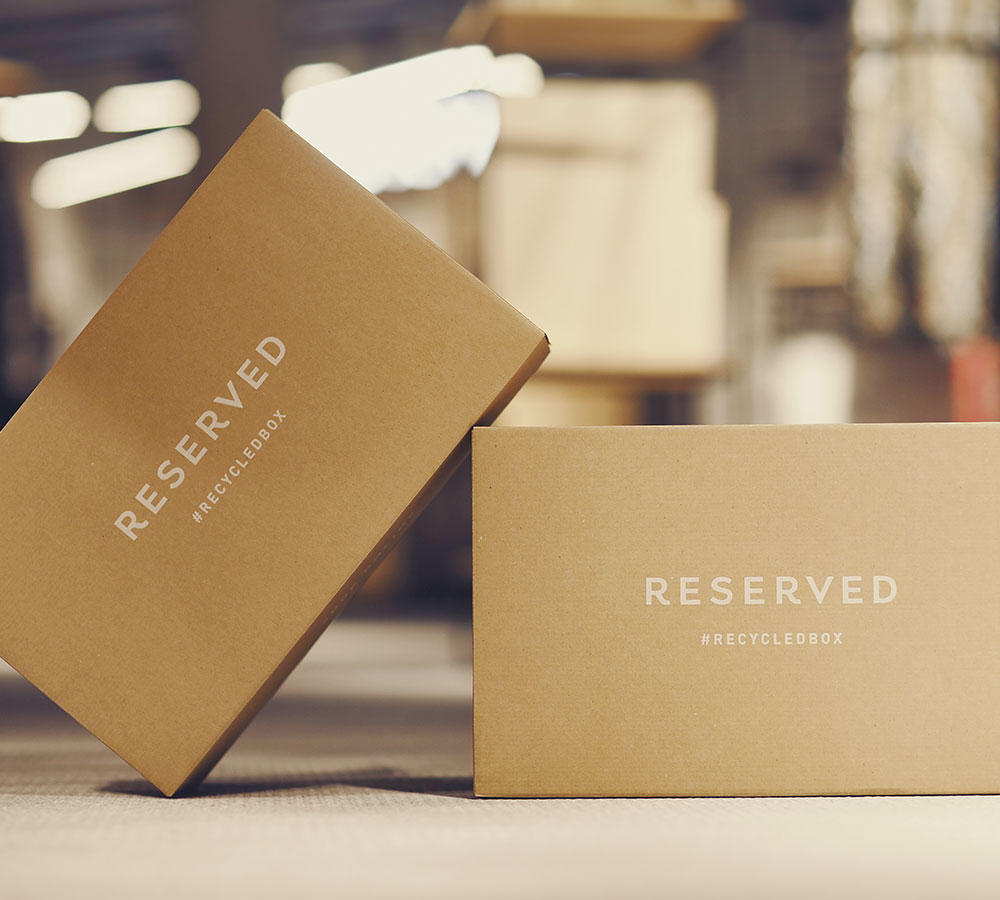
We are taking steps to optimise processes and reduce the amount of waste generated during the packaging, repackaging and dispatch of products, as well as to make more efficient use of cardboard boxes and plastic film.
We have eliminated non-recyclable plastic from the packaging we use to deliver online orders to our customers. This packaging is now made from 80% recycled plastic and is suitable for recycling.
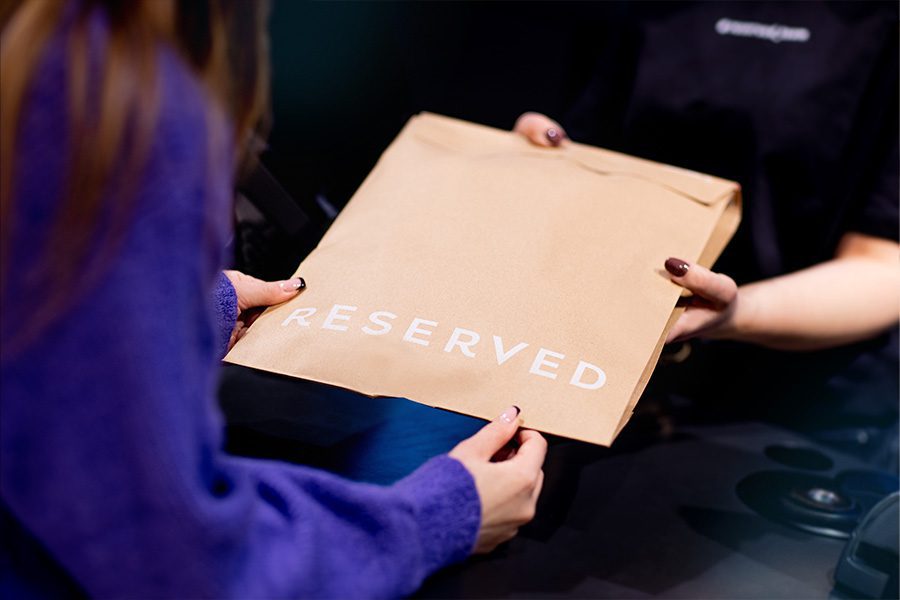
We have replaced foil wraps with boxes produced from recycled cardboard and envelopes made from recycled paper.
At Reserved, Cropp, House and Mohito, we have replaced the plastic air cushions and bubble wrap traditionally used to protect the contents of parcels with paper fillers made from recycled paper. At Sinsay, the plastic components used to protect parcels contain 50% recycled material.
We tailor the size of the packaging to the contents of the parcel. We strive to use materials efficiently during the packaging process.
All the paper envelopes in which we send e-commerce orders to our customers are made from certified paper.
Cardboard boxes in the shipment to the customer are sealed exclusively with paper tape with water-activated starch glue.
We have removed the plastic film from the price tags on our products.
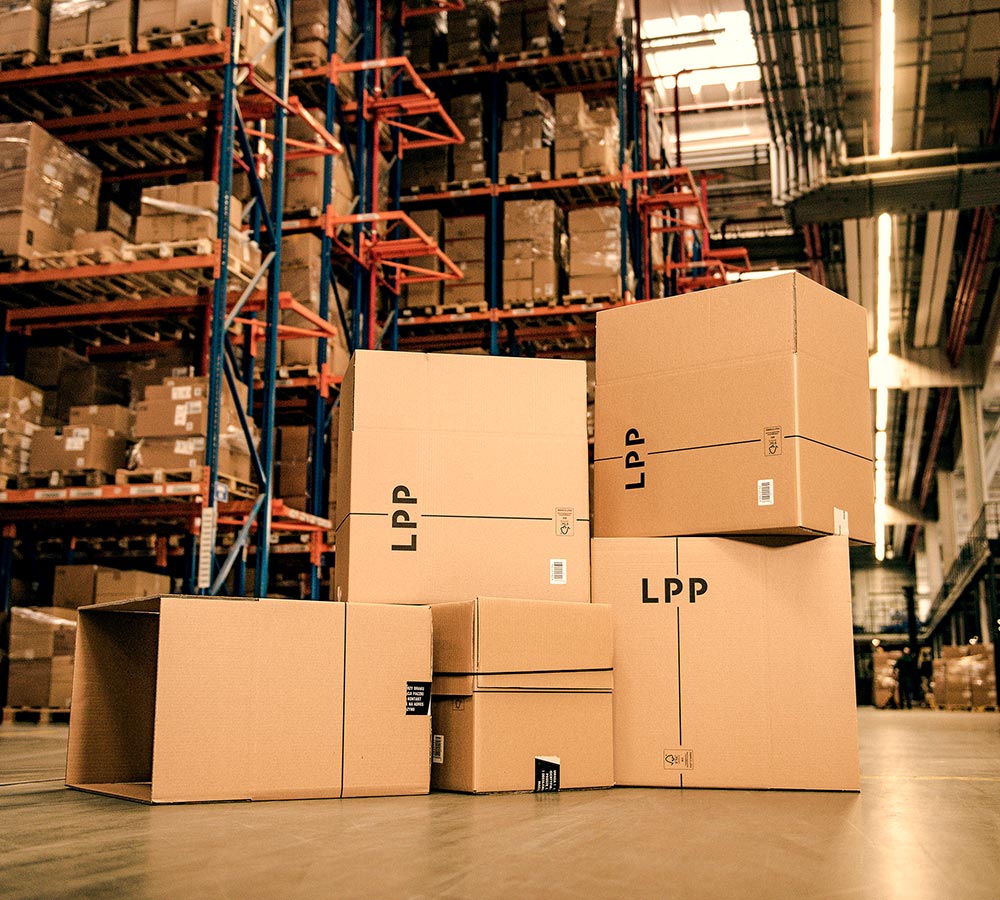
100% of the cardboard boxes purchased for fulfilment centres (FCs) and distribution centres (DCs) in Poland are made from recycled materials.
Polybag innovations
We are increasingly closing the foil circuit. During sea transport to the warehouses, our clothes travel thousands of kilometres. To protect them from moisture and damage, the items are packed in separate plastic bags, which in the industry are called polybags.
Since 2023, all new orders have been arriving in bags made from 100% recycled polyethylene (rLDPE). The polybags from LPP’s warehouses and head office – along with other collected foil – go to a recycler and are eventually made into waste bags.
Standardisation of bulk packaging
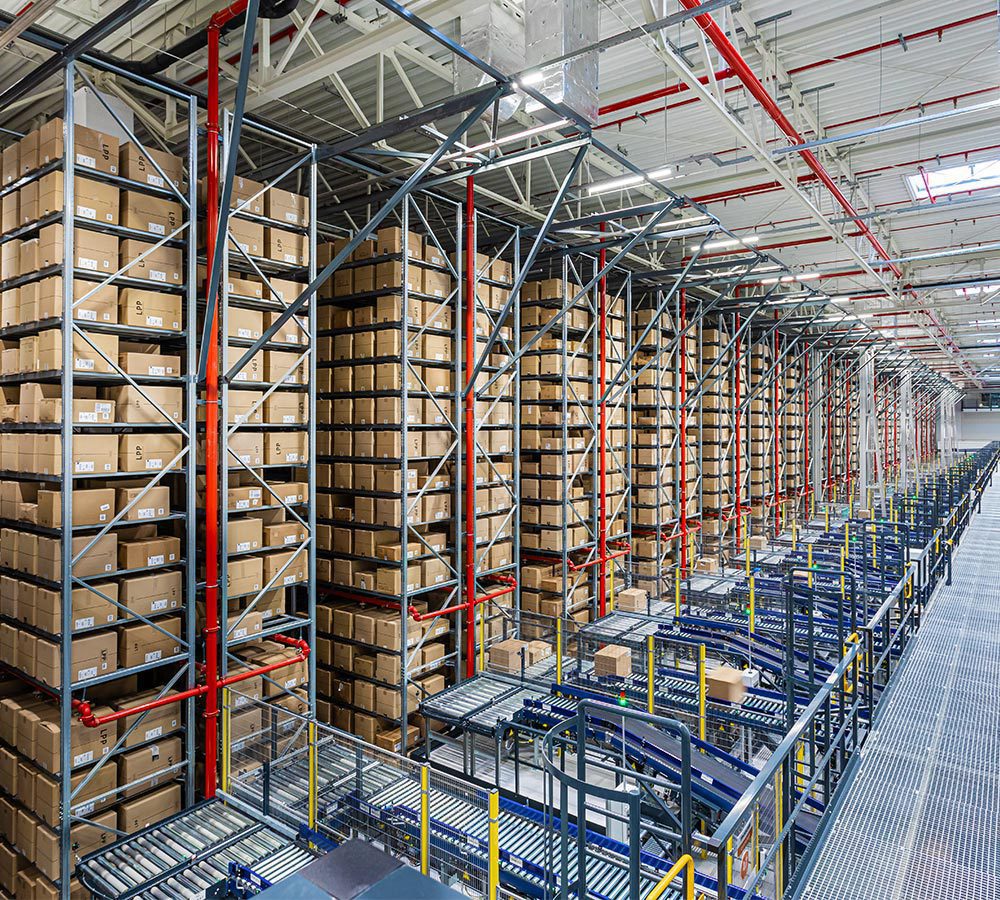
The standardisation we have introduced has enabled us to reuse the cardboard boxes used to ship clothing from our warehouses to our stores. As a result, the number of new boxes ordered for shipping purposes has decreased. This allows us, on the one hand, to reuse packaging and, on the other, to make better use of transport space during transit.
In 2025, we reused 3,732,176 cardboard boxes.

Eco-design of packaging
In 2023, we introduced an internal manual for the design of product packaging, through which we reduce the number of packaging items and think about the entire life cycle of the product, right from the creation stage.
According to its guidelines, all our packaging should be of a single-material, made from recycled and recyclable materials, and include appropriate labelling indicating which waste collection fraction it should go into. The manual also contains information about the recommended and non-recommended materials for packaging production, as well as a list of substitutes.
Wherever possible, we completely refrain from using packaging.
Discover our reports
Here you will find our latest report and all previous ones. Check LPP's progress, learn about detailed environmental, social and business results.
