


Production
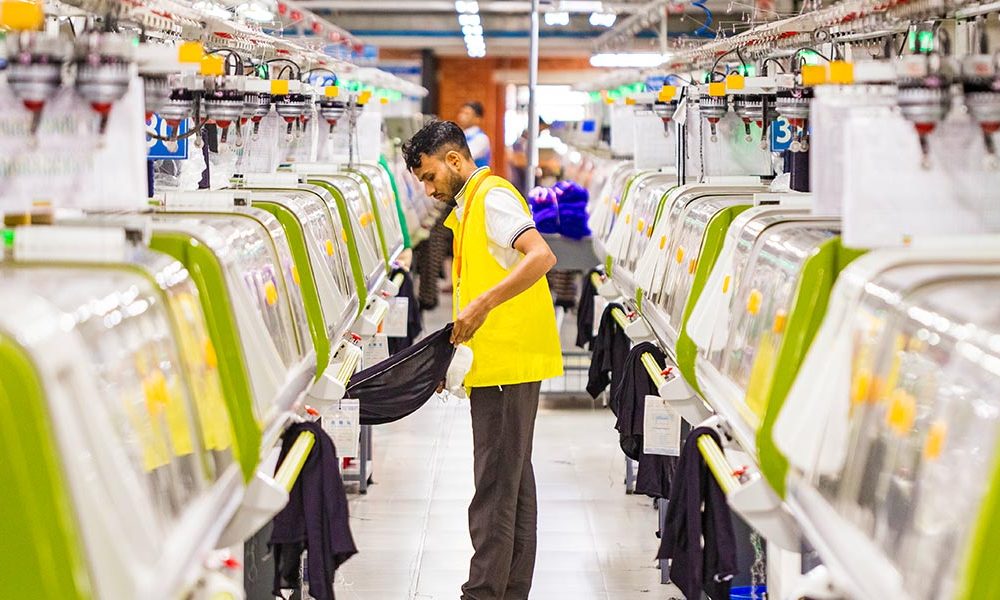
The garment production process in the clothing industry is one of the elements with the most significant environmental impact. We treat the order planning process of our suppliers with all the more care.
We control the production process
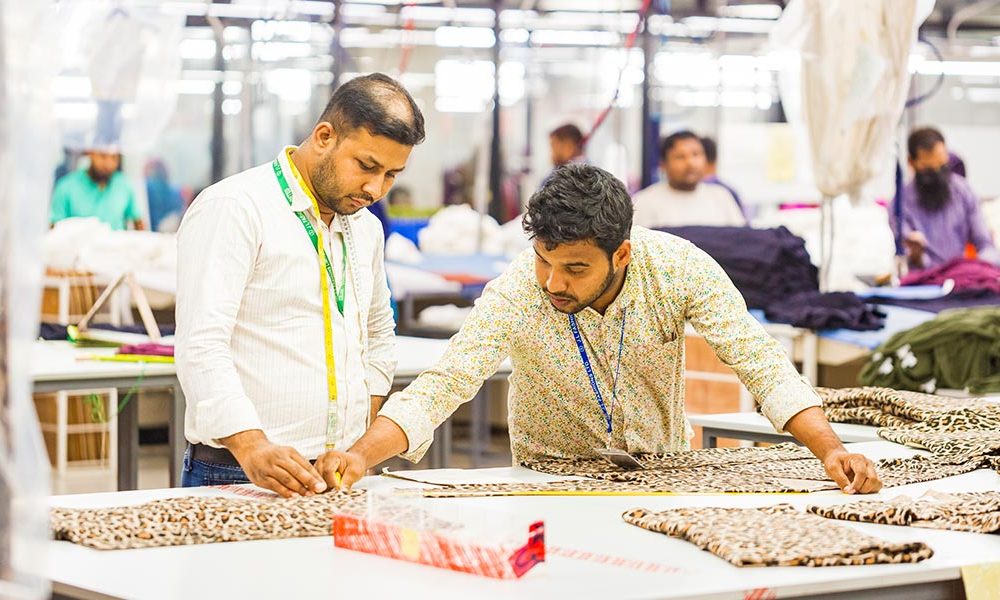
We match production levels to the supply generated by our customers. This is achieved with the use of cutting-edge technology developed by our team of IT experts who, using data science, machine learning and mathematical algorithms, are able to forecast the level of demand for our collections. This, in turn, allows us to reduce the amount of clothing ordered from our suppliers and minimise the share of unsold collections.
We support our suppliers
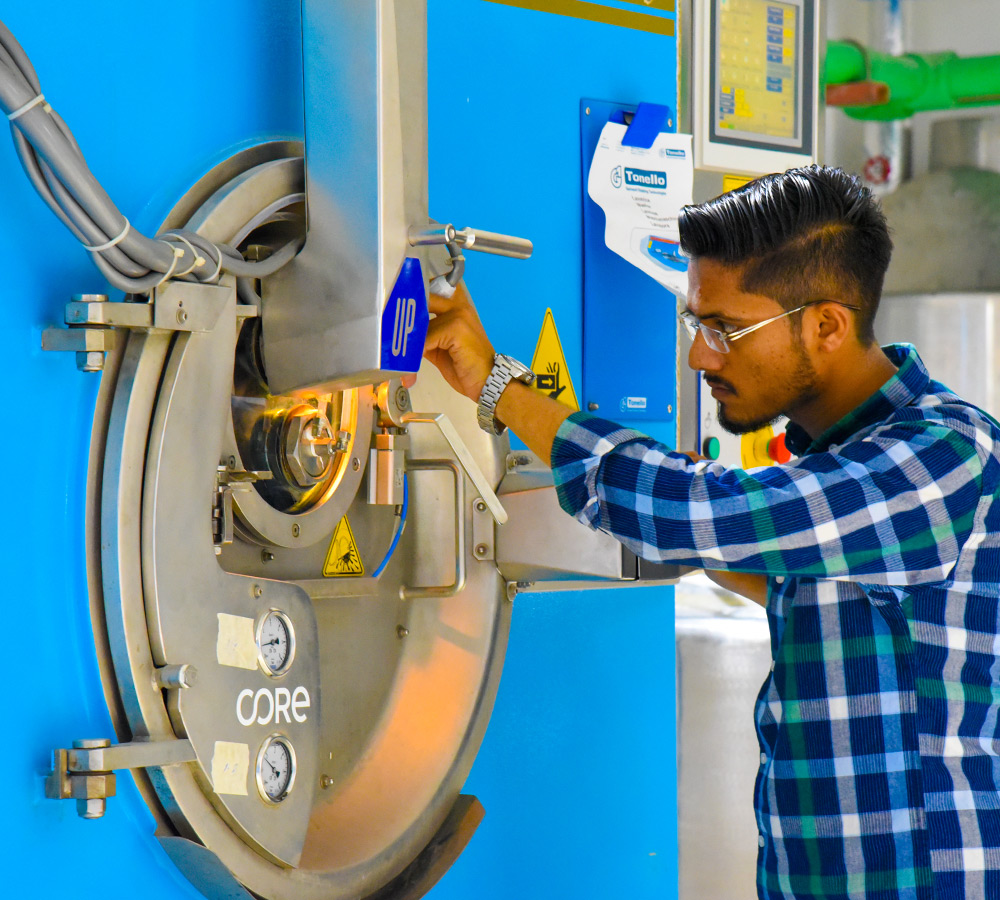
In 2025, we began rolling out the vFEM Ready initiative, which aims to gradually prepare our suppliers for the requirement to report their environmental impact using the Higg Facility Environmental Module (FEM). The vFEM Ready programme includes information activities and support to help suppliers understand and complete the FEM environmental self-assessment, as well as encouraging its verification (vFEM) by an independent body. The aim of the programme is to increase transparency regarding the environmental impact of our supplier network and to support them in their efforts to improve production management.
Safe production
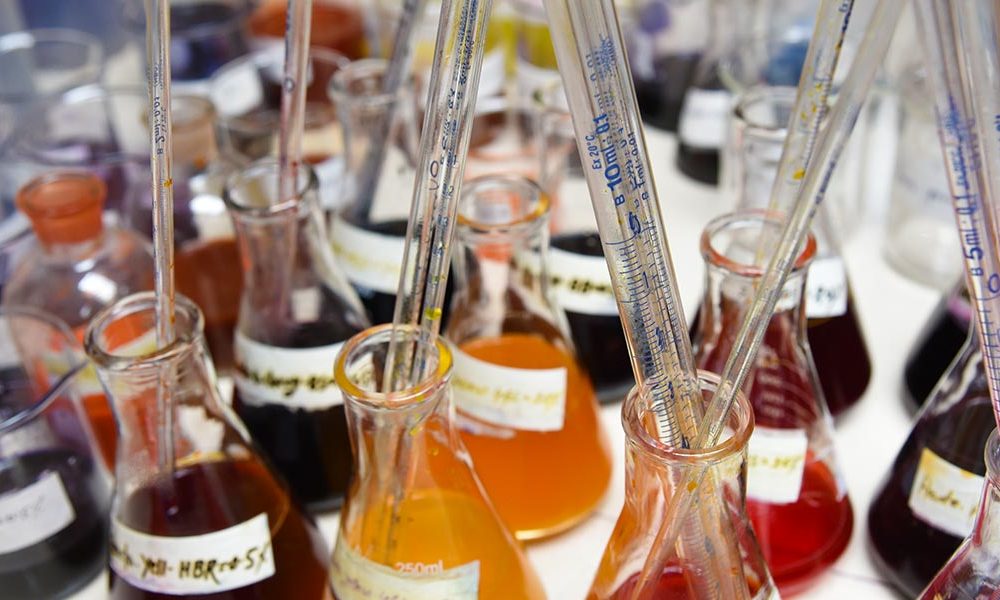
We are also committed to effectively eliminating hazardous chemicals from the industry. We adhere to the Manufacturing Restricted Substances List (MRSL) developed in accordance with ZDHC guidelines, which covers chemicals that must be eliminated from manufacturing processes, even if they are not present in the finished product.
We work with suppliers to ensure that the chemicals used comply with this standard.
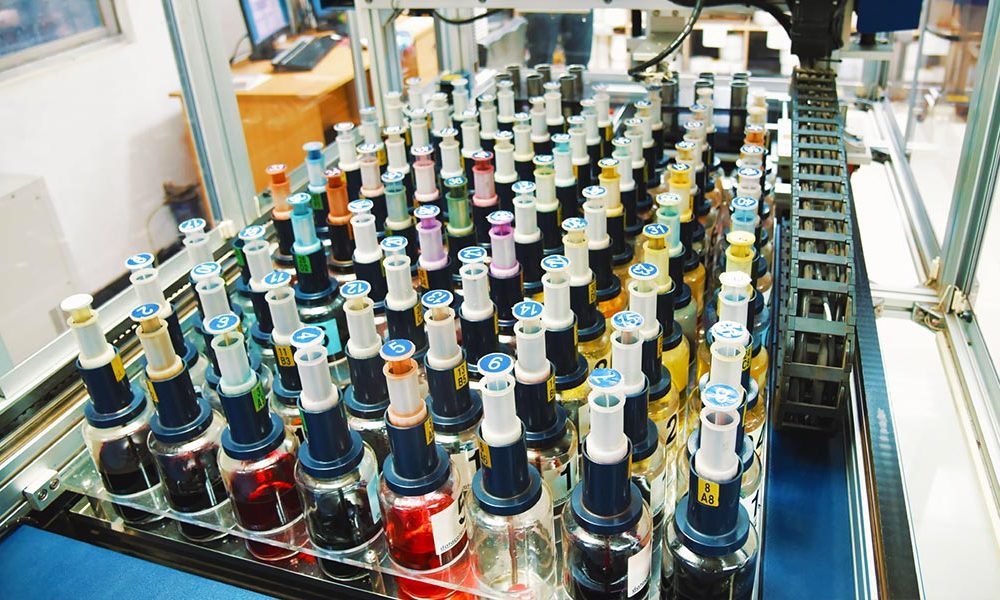
In addition, we have developed our own Restricted Substances List (RSL), which sets out the permissible levels of chemical substances in finished products.
This list is regularly updated in line with current regulations, including the REACH Regulation in the European Union.
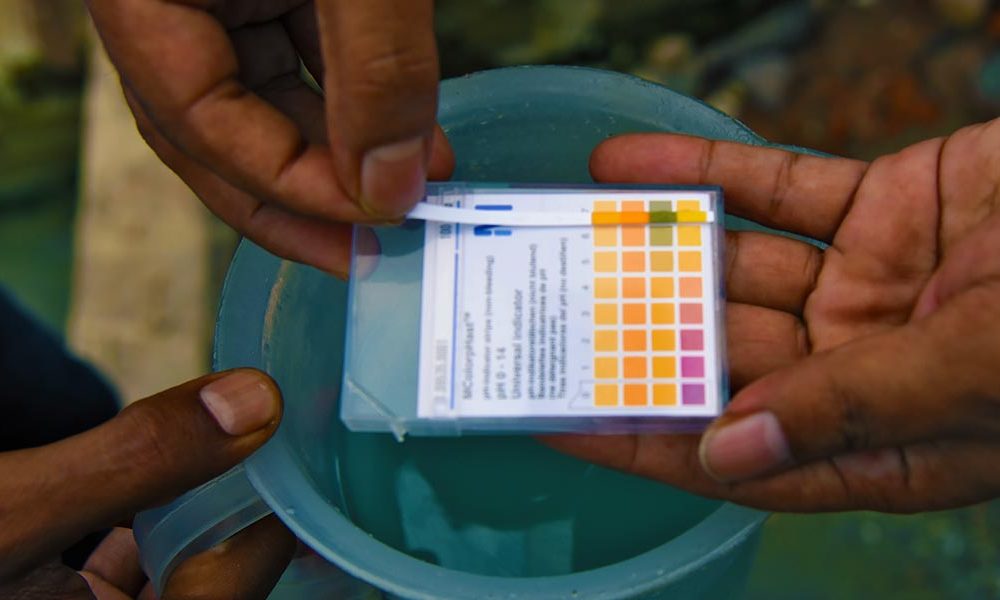
All the electrical products, food-contact items and toys we offer undergo the mandatory chemical testing required by law.
These tests analyse the chemical substances specified in the relevant regulations, thereby ensuring user safety and compliance with international standards.
Jeanologia®
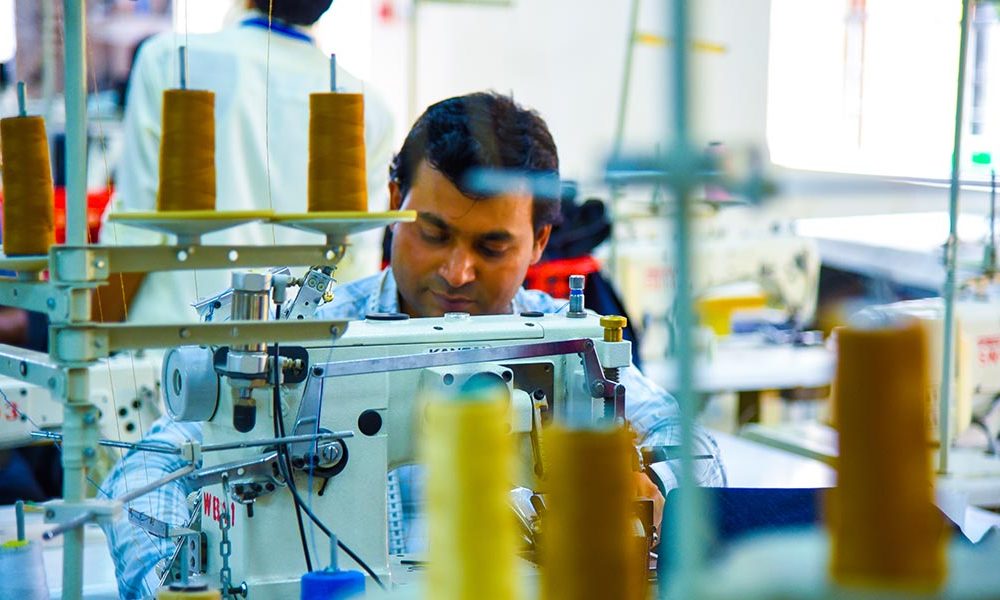
In the portfolio of factories producing jeans ordered by us, we are gradually increasing the proportion of those that have been accredited by Jeanologia®, i.e. use patented modern technological solutions to reduce the use of water, chemicals and energy in the production and finishing of denim products.

Quality Guidebook
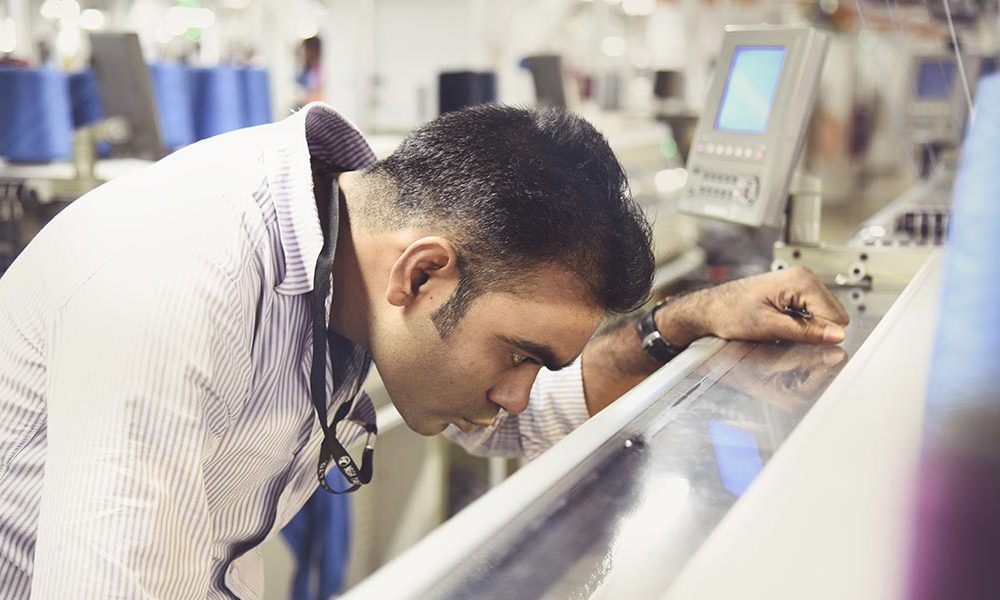
We include the ‘LPP Quality Guidebook’ with every order sent to the factory. This is a collection of standards that define the quality requirements for our products and the methods for verifying them. We use it as a basis for conducting physical tests at various stages of production. These include, amongst other things, tests of material strength (including tear tests for trousers), resistance to pilling (assessed according to the EMPA scale), colour fastness and resistance to detergents.
We also check for the presence of harmful and allergenic substances. At the laboratory in Dhaka, pull tests are also carried out on zips and buttons in children’s products. We conduct these tests in our own laboratories and in collaboration with certified external bodies, and the results are discussed with suppliers and product teams.
Improve safety and working conditions

Monitoring the working conditions that prevail among our suppliers is an integral part of our operations.
In 2013, we became the first Polish company to sign the International Accord in Bangladesh.
The International Accord is an agreement working on behalf of the fashion industry to improve working conditions in Bangladesh. Its goal is for signatories to work together with trade unions to ensure safety in factories. We encourage you to read the report summarizing a decade of our work, which we have implemented, including with Accord, at our supplier factories in Bangladesh.

Accord experts visit production facilities and oversee remediation plans, and these activities are supported by health and safety committees and a whistleblowing channel that complies with the UN Guidelines. The progress of individual factories is publicly available online.
We regularly subject the factories to external audits, but also to inspections carried out by our auditors permanently based in our Poland, Bangladesh, China, Turkey and India offices. We verify the level of safety of the sewing plant buildings’ construction, electrical solutions, and fire protection.
Since 2022, we have been working with amfori BSCI, one of the most active organisations promoting more transparent trade and sustainable production, specialising in audits.
Membership gives us access to training, educational materials and, above all, tools enabling us to verify and monitor ethical and labour issues, as well as environmental matters, in factories working with LPP.
This gives us insight into potential risks and support in monitoring suppliers’ activities and removing from the supply chain those entities that fail to meet standards, including those relating to decent working conditions and pay.
LPP Code of Conduct

Collaboration is only initiated with those factories that have committed to comply with our “LPP Code of Conduct” – a document that sets out our requirements taking into account the provisions of the International Labour Organisation conventions and the Universal Declaration of Human Rights, as well as committing suppliers to absolute care for the environment.
The rules it contains cover such areas as:
• the need to have an appropriate remuneration policy and formal conditions of employment for employees,
• an absolute ban on the employment of children,
• voluntary work,
• freedom of association,
• equal treatment of all employees,
• health and safety standards.
Discover our reports
Here you will find our latest report and all previous publications. Check LPP's progress, learn about environmental, social and business results.